
Why Command Control Centre Design Directly Impacts Mission Response
Key Takeways
- A well-planned control room layout strengthens operational performance by improving visibility, reducing distractions, and enabling quicker decision-making in high-pressure environments.
- Strategic placement of desks and shared visual access helps teams stay aligned, especially during live operations that require coordinated responses across multiple roles.
- Physical infrastructure supports both safety and compliance, with layouts that account for movement, fire safety, and clear communication pathways.
- Flexible design allows for long-term scalability, making it easier for organisations to upgrade systems and adapt to evolving mission demands without major disruption.
Introduction
In mission-critical environments, physical layout plays a pivotal role in how teams operate. From public safety and defence to finance and transport operations, effective command control centre design enhances how information is processed, shared, and acted upon. It supports clearer communication, faster decision-making, and stronger coordination when response times matter most.
This article explores how design choices directly shape performance in complex operational settings.
How Does Spatial Zoning Influence Team Coordination?
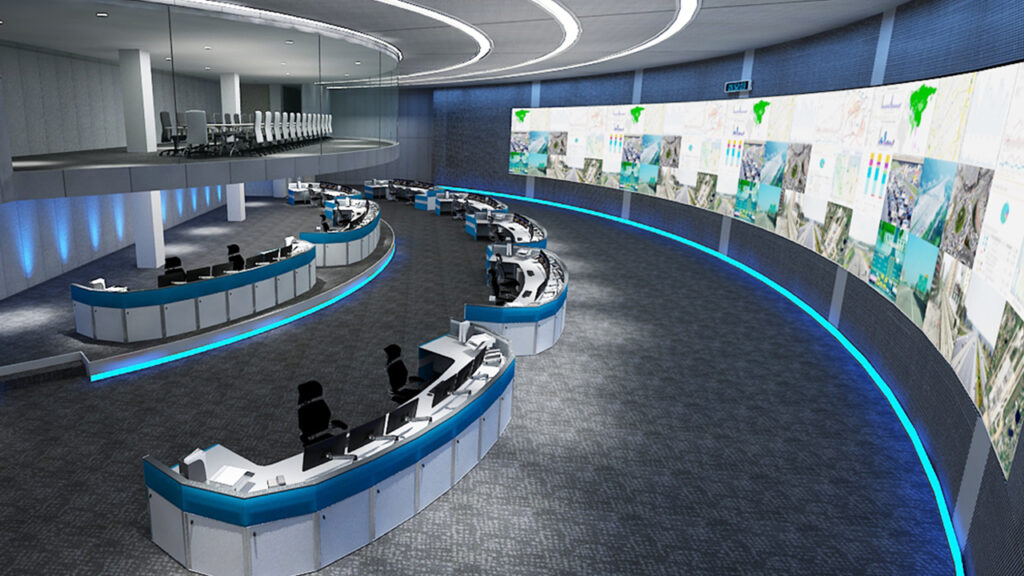
Clear zoning within a control centre allows teams to carry out their responsibilities without unnecessary overlap or disruption. Assigning specific areas to distinct functions helps maintain focused workflows and minimises background noise or interference. Strategic desking placement and shared sightlines enhance visibility, enabling teams to monitor ongoing activity and respond to changes as they unfold.
This level of clarity is essential in critical facilities, where a single delay or error can affect the performance of multiple teams. A well-structured layout supports composed, coordinated responses even under high operational pressure.
How Ergonomic Desking and Shared Sightlines Improve Decision-Making
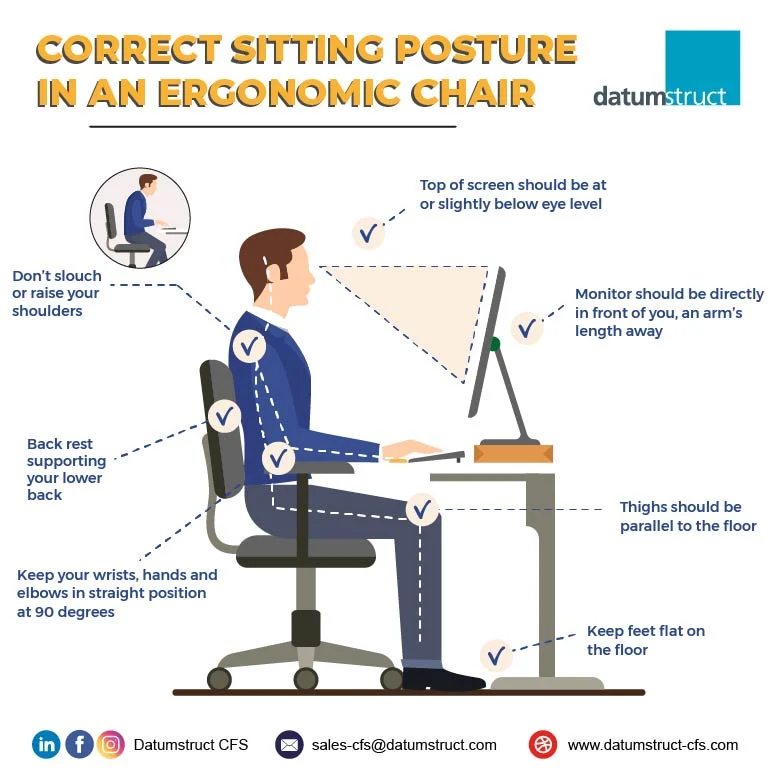
In a well-executed command control centre design, ergonomic desking is more than a matter of comfort. Desk placement directly affects how operators engage with critical data and communicate with one another. When consoles are arranged to maintain shared sightlines, teams can monitor key visual information and relay updates without delay.
In fast-paced environments, even small layout decisions impact how quickly and accurately a team can respond. Clear visual access and unbroken lines of communication help ensure that no critical update is missed, supporting timely and informed decision-making under pressure.
How Movement Flow and Acoustics Strengthen Communication in Control Rooms
In a control room, smooth movement is essential. Clear walkways ensure that people can get where they need to be quickly, whether it is to speak with a colleague or intervene directly at a console. At the same time, acoustic planning helps ensure that spoken instructions are not lost in ambient noise.
Together, movement paths and sound clarity create an environment where teams can work together without interruption. This directly supports incident handling, routine briefings, and escalations that require fast, coordinated input.
How Do Layouts Contribute to Safety and Compliance?
In regulated environments, layout design must align with stringent safety and compliance requirements. These include minimum spacing between workstations, clearly marked exit routes, and the use of fire-rated construction materials. An effective command control centre design addresses these standards while maintaining full operational functionality.
Adequate clearances and compliant materials help protect personnel without disrupting workflow. For agencies subject to routine audits or emergency drills, the physical setup plays a key role in demonstrating readiness and ensuring uninterrupted operations.
How Does a Shared Visual Command Enhance Collaboration?
In a well-planned command control centre design, shared visual access is essential for effective coordination. A central command and control video wall ensures that critical updates, live feeds, and operational data are clearly visible to all key personnel, regardless of their role or location within the room.
When combined with angled desk configurations, this setup fosters collective situational awareness. Specialists, analysts, and decision-makers can remain aligned on evolving developments while managing their individual responsibilities. Shared visuals reduce information gaps and support faster, unified responses during high-pressure situations.
Why Flexibility in Infrastructure Matters More Than Ever
Operational requirements rarely stay static. As technologies evolve and mission scopes expand, control rooms must be able to adapt without major disruption. A modular control room design enables organisations to scale operations, reconfigure workflows, or integrate new systems efficiently.
This adaptability ensures that infrastructure remains aligned with changing objectives. By supporting upgrades without full redesigns, modular layouts help maintain continuity, reduce downtime, and extend the long-term value of the control centre.

Design Directly Influences Performance in Mission-Critical Environments
The effectiveness of a command centre depends on how well it supports both personnel and technology. From spatial layout to visual integration, every design choice shapes how teams manage information, maintain situational awareness, and respond under pressure.
Datumstruct CFS collaborates with government agencies and organisations to deliver tailored solutions for complex operational settings. With proven expertise in command control centre design, we create environments that support decision-making, adaptability, and long-term performance
Contact us to explore a control centre solution built around your mission requirements and operational needs.
PRODUCT
FEATURED CASES
WHAT’S NEW
- Redecon Consoles vs Office Furniture
- What Is the Difference Between an Air Purifier and Air Sanitizer?
- The New Norm In The Control Room During Covid-19 Pandemic
- MIRI Global Certified That Air Halo Portable Air Sanitizer Can Eliminate 99% of Covid-19 Virus
- We're Upgrading!
- REDECON Consoles Featured in Pengerang Integrated Complex (PIC)

©2021 Datumstruct CFS | All Rights Reserved